Where Do Retail Returns Actually Go? The Landfill Math Behind Every Open-Box Deal
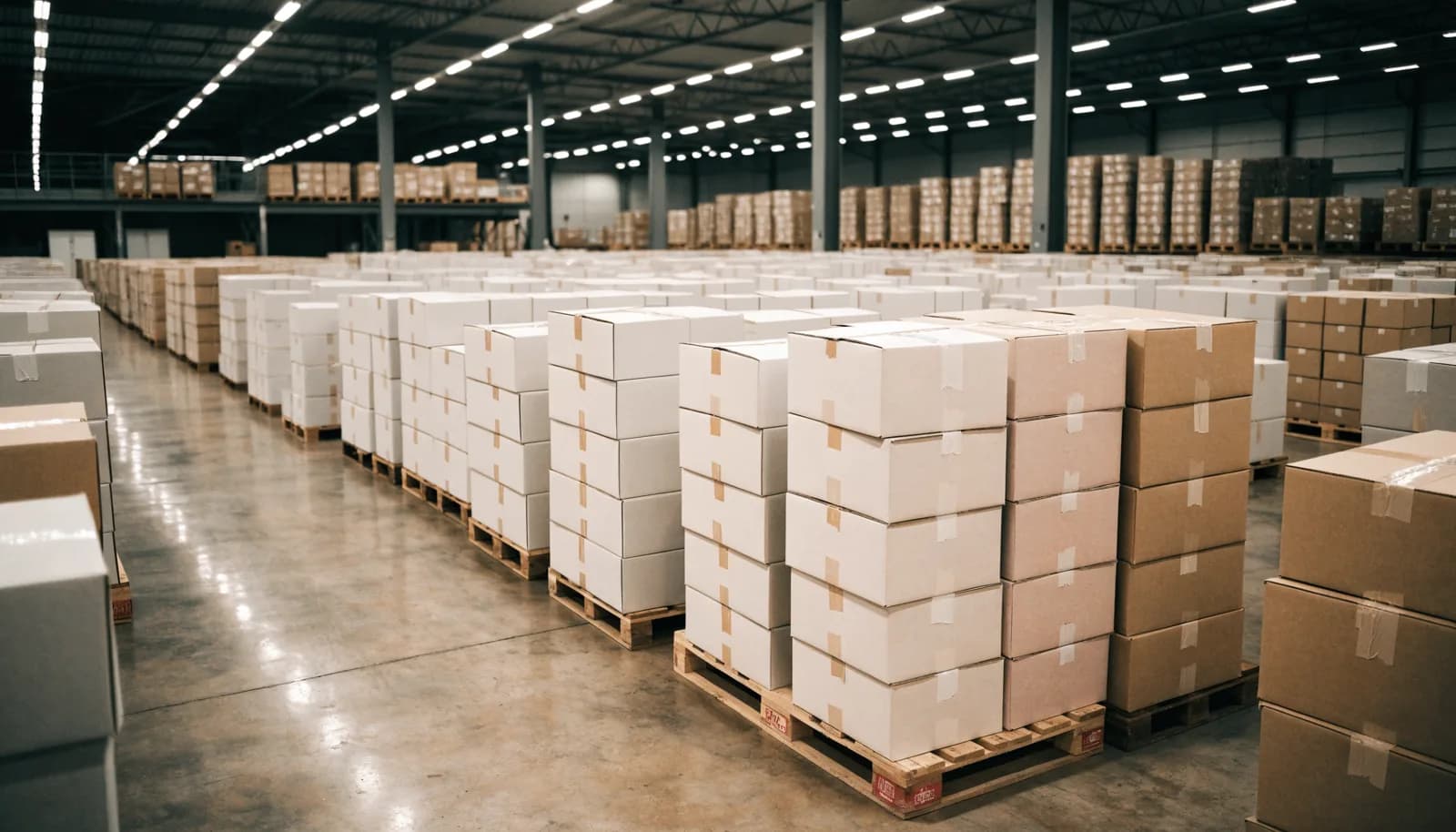
One of the most common questions thoughtful shoppers ask is whether retail returns go to landfill, and the honest answer is that a large and growing share of them never make it back into circulation. When you click return, it is natural to picture the item getting wiped down, re-boxed, and set back on a shelf for the next customer. In practice, the path a returned product takes is far messier, and for many items it ends at a trash compactor rather than a store aisle.
This is not a story about villains. It is a story about math: the cost of inspecting, repackaging, and restocking a single returned item is often higher than the item is worth to a large retailer, so the economically rational move is to write it off. Understanding that math is the key to seeing why open-box deals exist in the first place, and why buying them is one of the simplest ways an ordinary shopper can keep usable goods out of the waste stream.
Below is where retail returns actually go, why so much perfectly good product gets discarded, and how the liquidation channel changes the outcome for at least some of it.
What Happens After You Click Return
A returned product enters what the industry calls reverse logistics: the entire chain of moving an item backward from the customer to somewhere it can be resold, refurbished, recycled, or disposed of. That chain is expensive and slow. The item has to be shipped back, received, opened, inspected, tested, cleaned, repackaged, and re-entered into inventory before it can ever be sold again at full price.
For a large retailer processing enormous return volume, each of those steps costs labor and warehouse space. A single returned blender might need someone to confirm all the parts are present, that it powers on, that the box is not crushed, and that the manual is inside. Multiply that by millions of items and the handling cost alone can exceed the profit the retailer would earn by selling the item a second time.
Because of that, returns rarely go straight back to the original shelf. They get sorted into buckets: resell as new if pristine, resell as open-box if lightly handled, send to a refurbisher if it needs repair, route to a liquidator if it is sellable but not worth the retailer's own handling, recycle if it is broken, or discard if none of those pencil out. The last two buckets are larger than most people assume.
Why So Many Returns End Up in Landfill
The frustrating part is that most discarded returns are not broken. They are simply not worth the retailer's time to restock. A few forces push otherwise usable goods toward disposal:
- Handling cost beats resale value. If inspecting and repackaging an item costs more than the retailer can recover, writing it off is cheaper than reselling it.
- Original packaging is gone or damaged. Many retailers cannot list an item as new once the box is opened or the shrink-wrap is broken, even if the product is flawless.
- Speed matters more than salvage. Warehouses need floor space for incoming inventory, so slow-moving returns get cleared out quickly rather than carefully triaged.
- Seasonal and trend items expire. A returned patio set in October or last year's TV model loses shelf value fast, so it gets dumped instead of stored.
- Liability and policy rules. Some categories cannot legally or contractually be resold as new once returned, which pushes them out of the primary retail channel entirely.
The Scale of the Problem, in Plain Numbers
It is worth being careful here, because this topic attracts a lot of shaky statistics. What is well established is the direction and the scale: return rates rose sharply with the growth of online shopping, and a meaningful portion of returned merchandise is discarded rather than resold. The volume of returned goods handled each year is enormous, and the share that never gets a second life is large and growing.
People often ask whether returns are bad for the environment, and the fairest answer is that the return itself is not the problem. The problem is what happens to a return that is too costly to restock. That single item can accumulate the carbon of a round-trip shipment, the packaging of a replacement, and finally the footprint of disposal, all for a product that still works perfectly.
You do not need a precise percentage to grasp the takeaway. Every discarded return represents raw materials, manufacturing energy, and freight that were already spent, thrown away for reasons of accounting rather than function. That gap between usable and used is exactly where a smarter resale channel can do real good.
Where Liquidation Fits: Diverting Usable Goods
Liquidation is the part of the system that catches goods before they reach the compactor. Instead of writing off a truckload of returns, overstock, and open-box items, a retailer can sell it in bulk to a liquidator, who then sorts, inspects, and resells the individual pieces to the public. It is a second home for products that were headed for disposal purely on cost grounds.
This is the core of how liquidation works: usable inventory that a big retailer cannot profitably restock gets rerouted to a channel built to handle it efficiently. If you have ever wondered where liquidation inventory comes from, the answer is largely this: customer returns, shelf-pull overstock, open-box items, and refurbished goods from major US retailers.
At Nellis Liquidation in Henderson, Nevada, every incoming item is hand-inspected and given a plain condition label, New, Open Box, Refurbished, Clearance, or As-Is, so the buyer knows exactly what they are getting. Pricing typically runs about 40 to 70 percent below retail, which is only possible because the goods entered through a diversion channel rather than the full-price supply chain. That price gap is the visible side of the landfill math working in the shopper's favor.
How Buying Open-Box Reduces Waste
Open-box sustainability is not a marketing slogan; it is simple accounting run in reverse. When you buy a returned item instead of a brand-new one, you keep an already-manufactured product in use and remove the incentive to discard it. Buying returns reduces waste in several concrete ways:
- It keeps a working product in circulation instead of a landfill, extending the life of materials and energy already spent.
- It avoids the footprint of a duplicate purchase, since you are not triggering the manufacture and shipping of a replacement new unit.
- It gives damaged-packaging items a real market, so a flawless product is not discarded just because its box was opened.
- It rewards inspection over disposal, funding a channel whose entire job is to verify and resell rather than write off.
- It stretches your budget while doing it, since the same open-box deals that help the planet also cost meaningfully less than new.
What This Means for the Everyday Shopper
You do not have to change your life to participate in this. You just have to change where you look first for certain purchases. For furniture, appliances, tools, electronics, and household goods, checking the open-box and liquidation channel before defaulting to full-price new is often the single highest-impact swap available to a normal household.
The trade-off is honest and worth stating plainly. Open-box and As-Is items may show light cosmetic wear, may not include original packaging, and are usually final sale rather than freely returnable. In exchange, you pay far less and you keep a usable product working. For most everyday items, that is an easy trade, especially when each piece has been hand-inspected and labeled so there are no surprises.
This is what circular economy shopping looks like in practice: buying goods that are already made, using them fully, and treating disposal as the last resort rather than the default. It is not about sacrifice. It is about noticing that a perfectly good product and a cheaper price often sit in the same place.
Shopping the Circular Way on a Budget
You can put all of this to work without any special expertise. A short routine keeps you buying the circular way while protecting your wallet:
- Check the condition label first. New, Open Box, Refurbished, Clearance, and As-Is each tell you what to expect before you commit.
- Read the return terms per item. Standard items are typically returnable in original condition within a set window, while Clearance and Open Box or As-Is items are usually final sale, so inspect accordingly.
- Match the item to your risk tolerance. Save the As-Is and Clearance buys for things you can evaluate confidently, and lean on Open Box or Refurbished when you want more assurance.
- Buy the whole room from one place. Furnishing a space with diverted goods multiplies the waste you keep out of the landfill and the money you keep in your pocket.
- Shop where inventory turns over. Because a hand-inspected liquidation inventory rotates constantly, it is worth checking the current inventory regularly rather than expecting the same piece to wait for you.
- Consider local pickup. If you are near Henderson or greater Las Vegas, picking up in person skips a shipment entirely and lets you inspect before you buy.
Frequently Asked Questions
Do most retail returns get thrown away?
Not all, but a significant and growing share of returned goods are discarded rather than resold. The reason is usually cost, not damage. When inspecting, repackaging, and restocking an item costs a large retailer more than the item is worth, writing it off becomes the cheaper option. That is why liquidation and open-box channels exist: they catch usable products before they reach disposal.
Are online returns bad for the environment?
The return itself is not the real issue; what happens to it afterward is. A returned product that cannot be profitably restocked can accumulate the footprint of a round-trip shipment, replacement packaging, and final disposal, all for an item that still works. Buying that item secondhand through an open-box channel avoids the duplicate purchase and keeps it in use.
How does buying open-box help reduce waste?
Buying open-box keeps an already-manufactured, working product in circulation instead of a landfill. It removes the retailer's incentive to discard items with opened or missing packaging, and it avoids the footprint of manufacturing and shipping a brand-new replacement. You get a lower price, typically 40 to 70 percent below retail, while extending the life of materials and energy already spent.
What is the circular economy in shopping?
Circular economy shopping means keeping goods in use as long as possible instead of following a make, buy, discard cycle. In practice it means buying products that are already made, such as returns, overstock, and open-box items, using them fully, and treating disposal as a last resort. It saves money and keeps usable products out of the waste stream at the same time.