Liquidation vs Thrift vs Retail: Which One Actually Saves You the Most
If you are trying to stretch a budget, the choice usually comes down to liquidation vs thrift store versus buying at full retail, and each channel wins on a different axis. One is cheapest per dollar, one is best for genuine one-off finds, and one is best when you need a guarantee. Knowing which is which saves you from overpaying at the register and from bringing home something that does not work.
This is a plain, head-to-head look at price, condition, selection, warranty, and the moments each channel is the smart call. The short version: there is no single winner. The right answer depends on what you are buying, how new it needs to be, and how much protection you want if something goes wrong. Below, we compare a liquidation store against a thrift store, and both against traditional retail, so you can match the channel to the purchase instead of guessing.
The Three Ways to Shop, Side by Side
Start with what each channel actually is, because the labels get blurred. Full retail means new, first-run inventory sold at or near the manufacturer's suggested price. A thrift store resells donated, secondhand goods, almost all of it genuinely used, priced low but sold as-is with little inspection. A liquidation retailer sits in between: it buys customer returns, open-box, overstock, refurbished, and clearance goods from major retailers and resells them at a steep discount.
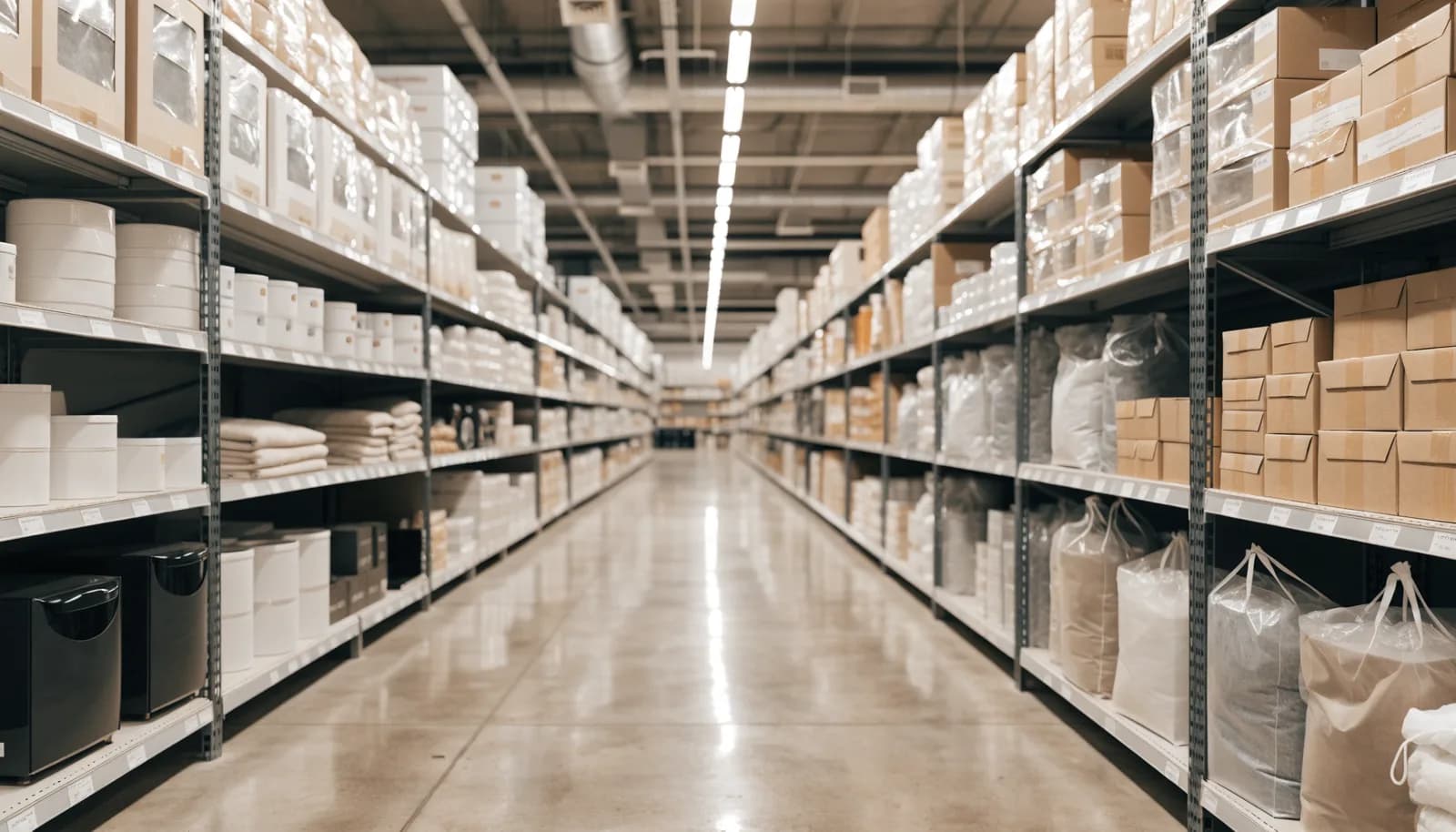
At Nellis Liquidation, that means a large, constantly refreshed stock of items, every one hand-inspected and condition-labeled at our Henderson, Nevada warehouse before it goes out. The condition labels are simple: New, Open Box, Refurbished, Clearance, and As-Is. If you want the full mechanics of how this pipeline works, our explainer on how liquidation works walks through where the inventory originates and why it costs less.
Price: Where Each Channel Wins
Price is where most people start, so be precise about it. Thrift stores usually have the lowest sticker on any single item because the goods were donated, but the savings are unpredictable and the item is used. Liquidation lands in a consistent, predictable discount band. Full retail is the baseline everything else is measured against.
On a per-item basis, thrift can occasionally beat everyone. But for the things people actually plan to buy (appliances, furniture, tools, electronics), liquidation typically delivers the deepest reliable savings on near-new goods.
- Thrift: rock-bottom prices on used, donated items, but selection is luck of the draw and quality varies widely.
- Liquidation: roughly 40-70% below retail on customer-return, open-box, and overstock goods that are often like-new.
- Retail: full price, but you pay for guaranteed newness, a full warranty, and the widest current selection.
- On thrift vs retail savings, thrift wins on the sticker; when weighing liquidation against outlets and thrift, liquidation usually wins on near-new big-ticket items.
Condition: New, Like-New, or Genuinely Used
Condition is the axis that separates these channels more than price does. Thrift goods are used, sometimes lightly, sometimes hard, and typically sold without any grading. Retail is new and untouched. Liquidation covers a spectrum, which is exactly why the label on each item matters so much.
Because a returned item is not automatically a damaged item, a lot of liquidation stock is functionally new: opened, inspected, repackaged. That is a different thing from secondhand. If you are weighing an opened but unused product against a boxed one, our guide on open-box vs new breaks down what actually changes and what does not. When you shop liquidation, read the condition label the way you would read a nutrition label: New means new, Open Box means opened and verified, Refurbished means restored and tested, and As-Is means sold with known flaws and no returns.
Selection and Consistency of Stock
Retail wins on consistency, full stop. If a store carries a model today, it will very likely carry it next week, in your size or color, with more in the back. That predictability is worth real money when you need a specific thing on a deadline.
Thrift and liquidation both trade that predictability for discovery. Thrift inventory is whatever gets donated, so it changes constantly and rarely repeats. Liquidation inventory turns over as new pallets of returns and overstock arrive, so the mix is always shifting but skews toward recognizable, brand-name goods from major retailers rather than random secondhand items. The practical takeaway: if you want it, buy it when you see it, because it may not be there next visit. You can always browse current inventory to see what is in stock right now rather than assuming a specific item will wait.
Warranties, Returns, and Buyer Protection
This is the category people forget until something breaks, and it is where retail earns its premium. New retail goods carry the full manufacturer warranty and generous return windows. Thrift is the opposite end: nearly everything is final sale, as-is, with no recourse if it fails on the drive home.
Liquidation sits in a sensible middle, and the specifics matter. At Nellis Liquidation, most items are returnable within 30 days in original condition, while Clearance and Open-Box/As-Is items are final sale by design, which is part of why they are priced so low. That is a fair trade as long as you know it going in.
- Retail: full manufacturer warranty plus a standard return window; the most protection, at the highest price.
- Liquidation: most items returnable within 30 days in original condition; Clearance and As-Is are final sale.
- Thrift: almost always final sale, no warranty, no returns.
- Before you buy an as-is deal, inspect it in person or read the condition notes closely, because the discount assumes you accept the item's flaws.
When to Choose Thrift, Liquidation, or Retail
Match the channel to the job. Choose thrift when you want the lowest possible price on something low-stakes and you enjoy the hunt: a starter dish set, a book, or a decorative piece where used is fine and a failure costs you nothing.
Choose liquidation when you want near-new brand-name goods at a serious discount and still want a return window on most of it. Appliances, furniture, tools, and electronics are the sweet spot. Choose full retail when you need a guaranteed-new item, a specific model in stock on a deadline, or the longest warranty, and the premium is worth the certainty. For local shoppers, this is also a logistics question: our Henderson warehouse at 3560 Volunteer Blvd, Building E is open Monday through Friday 11 AM to 5 PM and Saturday 11 AM to 3 PM for walk-in browsing, with local pickup for neighbors in Anthem, Inspirada, Seven Hills, Green Valley, and greater Las Vegas.
The Bottom Line: Matching the Channel to the Purchase
There is no universal answer to where to save the most money shopping, because the honest answer is that it depends on the item. Thrift gives you the lowest sticker on used goods. Retail gives you certainty and the fullest protection. Liquidation gives you the best balance of near-new quality, deep and predictable savings, and a real return window on most purchases.
For the big, planned buys that dominate most budgets (appliances, furniture, tools, and electronics), liquidation is usually the channel that saves the most without gambling on condition. Nellis Liquidation ships to all 50 states with live USPS rates and no inflated flat fees, or you can pick up locally in Henderson. If you want to know who you are buying from and how the inspection process works, read more about Nellis Liquidation before your first order.
Frequently Asked Questions
Is a liquidation store cheaper than a thrift store?
It depends on the item. A thrift store often has a lower sticker price because the goods are donated and used. A liquidation store like Nellis Liquidation sells customer-return, open-box, and overstock goods at roughly 40-70% below retail, which is usually the better deal on near-new, brand-name items like appliances, tools, and electronics where thrift stock is unpredictable.
What is the difference between liquidation and thrift?
A thrift store resells donated, secondhand items as-is, with little inspection and almost no returns. A liquidation retailer buys customer returns, open-box, refurbished, and overstock goods from major retailers, then hand-inspects and condition-labels each one. Liquidation goods are often functionally new rather than used, and most come with a return window that thrift stores do not offer.
Which saves more money, an outlet or a liquidation store?
An outlet sells new, first-run or made-for-outlet goods at a modest markdown from retail. A liquidation store sells customer-return and overstock inventory at a deeper discount, roughly 40-70% below retail. On price alone, liquidation usually saves more, though outlets offer guaranteed-new stock and full warranties, which can be worth the higher price for some purchases.
Do liquidation stores sell used items like thrift stores do?
Not in the same way. Much of a liquidation store's stock is open-box or overstock that is functionally new, plus refurbished items that have been restored and tested. Some items are sold as-is with known flaws, but each is labeled by condition. At Nellis Liquidation, labels include New, Open Box, Refurbished, Clearance, and As-Is, so you know exactly what you are getting.