Desert Backyard on a Budget: Shade, Water, and Furniture That Survives Las Vegas Heat
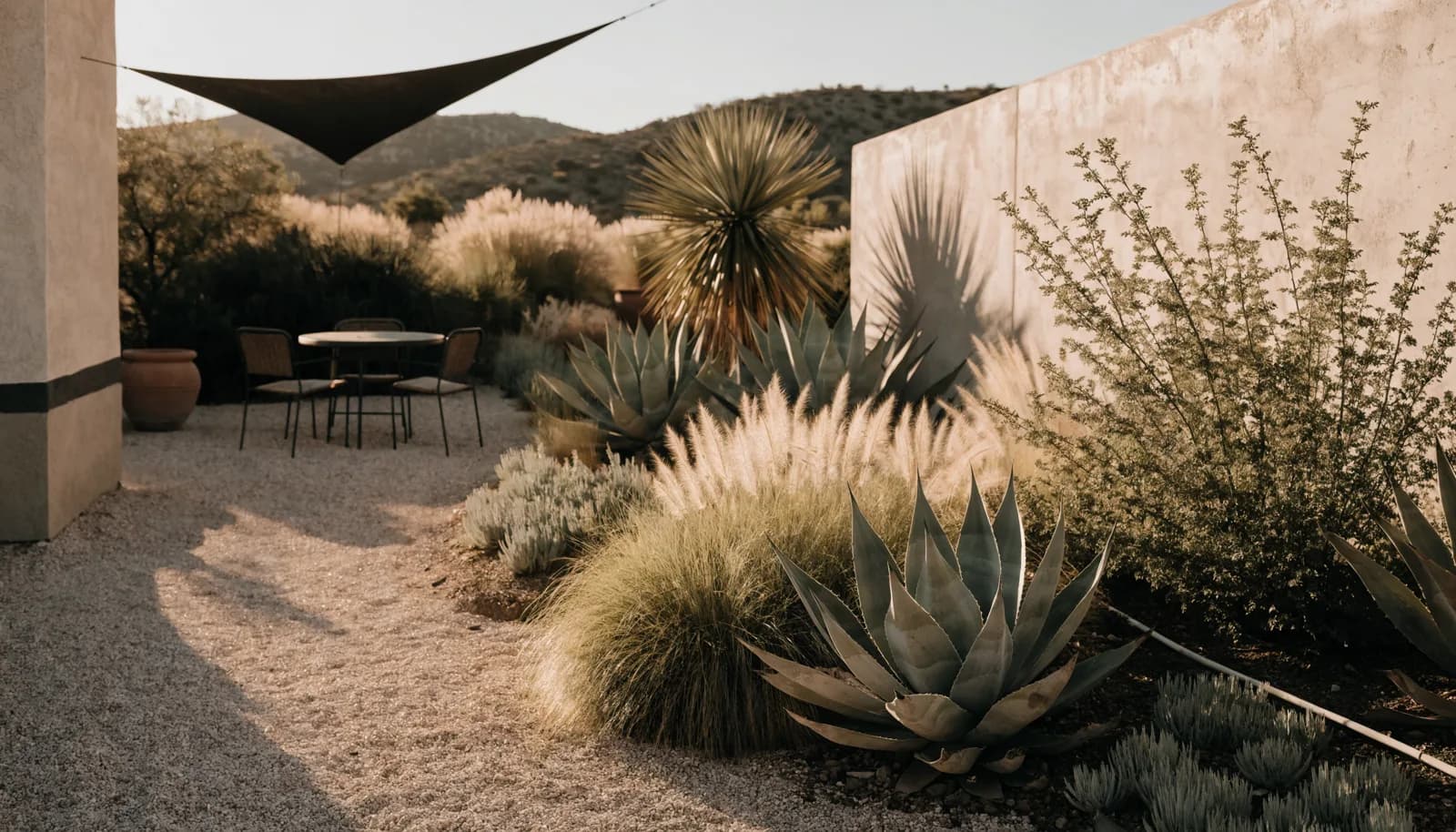
Building a desert backyard on a budget is a different problem from building one anywhere else. In Las Vegas, plants that thrive in a Midwest yard bake by July, a patio set that held up for years in a mild climate can fade and crack far sooner, and the water bill punishes anyone who tries to fight the weather instead of working with it. The upside is that the desert version is usually the cheaper one, because the things that actually work out here are simple.
What follows is a practical order of operations for a yard that stays usable when it is genuinely hot, arranged to give you the most comfort per dollar. Shade first, then furniture that survives, then a planting approach that does not drink. You can shop patio and garden gear at every step, and most of the savings come from which condition grade you buy rather than which brand you pick.
Start With Shade, Not Furniture
Almost every backyard project starts with a table and chairs. In a desert climate that order is backwards. A patio set sitting in full afternoon sun goes unused for months, so the first purchase that changes anything is not furniture at all. It is shade.
Shade is also the cheapest comfort available. A shade sail stretched between the house and two posts, a cantilever umbrella parked on the west side of the seating area, or a simple slatted pergola all make the space underneath usable, and none of them require a construction-sized budget.
Aim the shade at the afternoon rather than at noon. West-facing walls and patios absorb heat all afternoon and give it back well into the evening, so blocking low western sun buys more comfort than blocking the sun directly overhead. If you shade only one thing, shade the surface people sit on and the wall behind it.
What Desert Heat Does to Patio Furniture
Heat and ultraviolet light are what destroy outdoor furniture here, not rain. Knowing which materials hold up saves you from replacing a set every other summer, and it changes which discounted pieces are worth grabbing when you spot them.
Outdoor sets are also deeply seasonal, which is why they move through liquidation channels in volume once the season turns. You can shop discounted outdoor furniture well below retail once the season turns.
Cushions and umbrella canopies are the real consumables. Treat fabric as a replaceable part rather than a permanent one, and buy spares when they hit clearance instead of when yours finally give out.
- Powder-coated aluminum: light, rust-free, and the most forgiving material in constant sun.
- Resin wicker over an aluminum frame: comfortable, as long as the resin is UV-stabilized.
- Steel and iron: heavy enough to stay put in wind, but check the coating for chips first.
- Solid wood: handsome, but budget the time to seal it once or twice a year.
- Thin plastic and untreated wood: cheap up front, and usually the first pieces to fail.
Cut the Water Bill Without Losing the Green
Water is the largest ongoing cost in a desert yard, and turf is where most of it goes. You do not have to reduce the whole yard to gravel, but you do have to be deliberate about where the green lives.
Zoning is what works. Keep living plants close to where you actually sit and look, and let the rest of the yard be hardscape, gravel, and drought-tolerant species that survive on very little. Twenty feet of green in front of a shaded patio reads as lush. A strip of thirsty lawn along a side yard nobody walks through does not.
Drip irrigation on a timer does the rest. Drip lines put water at the root instead of into the air, and running them before sunrise cuts evaporation further. Two or three inches of mulch or decorative rock over the soil slows evaporation again and keeps roots cooler.
Containers and Raised Beds for Small Yards
Not every desert yard has room to plant, and renters usually cannot dig up the ground anyway. Containers and raised beds solve both problems and hand you what open ground does not: full control over the soil.
The catch is that containers dry out fast in heat. Go one pot size larger than feels necessary, since more soil holds more moisture, and favor glazed ceramic or thick resin over thin unglazed terracotta that wicks water out through its own walls. Group pots so they shade one another, and place them where they catch morning sun and afternoon shade.
Raised beds are the better call for anything you intend to eat. Twelve to eighteen inches of depth gives roots somewhere cooler to go, and filling a bed yourself sidesteps hard native soil entirely. Run the drip line in while you build it, because retrofitting irrigation later is the job everyone postpones.
If you are outfitting a patio and a small garden in the same season, browse the patio and garden category in one pass. Planters, hose gear, and outdoor storage tend to arrive together.
Lighting and Air Movement for Evening Use
For much of the year the desert backyard is an evening space. That makes lighting and air movement the difference between a patio you use after work and one you look at through a window.
Keep the lighting low and warm. String lights over the seating area, a few path lights, and one dimmable fixture near the door do more for the feel of a yard than one bright floodlight, which mostly produces glare.
Moving air beats cooling air outdoors. An outdoor-rated ceiling fan under a covered patio, or a pedestal fan on an open one, changes how long people stay out there. Misting works better in dry air than it does in humid climates, because the water actually evaporates.
Fixtures, fans, and the hardware that mounts them are a home improvement purchase more than a furniture one, so check the home improvements category before paying retail for something that will live outdoors.
Where the Budget Actually Goes
Outdoor goods are among the most seasonal categories in retail, which is exactly why they show up in liquidation inventory in volume. Patio sets, grills, planters, and hose gear come back as customer returns, get pulled from shelves when the season turns, or arrive as overstock a retailer never sold. Savings in this channel commonly land in the range of 40 to 70 percent below retail.
The condition grade decides your risk, so read it before you read the price. New, Open Box, Refurbished, Clearance, and As-Is each mean something specific. Open Box means the item was opened and is sold as-is, typically fully functional with at most minor cosmetic wear noted on the listing.
One rule matters above the rest: most items carry a 30-day return window, but Clearance, Open Box, and As-Is items are final sale. That is an argument for inspecting, not for avoiding them, and the walkthrough on how to inspect an open-box item covers exactly what to look at.
On something large, like a table set or a grill, inspecting in person is easier. Free local pickup is available at our Henderson warehouse at 3560 Volunteer Blvd, Building E, and orders ship to all 50 states.
A Season by Season Plan for the Las Vegas Valley
Doing all of this in one weekend is usually the expensive way. Spreading it across the year lets each piece get bought when it is cheapest.
Late summer into fall is when outdoor inventory gets marked down hardest, so that is the window for umbrellas and shade sails first, then furniture and grills. Fall is also the planting season most desert gardeners favor, since roots establish through mild months instead of fighting a July afternoon.
Winter handles the work that ignores the calendar: running drip line, building raised beds, adding lighting, and putting up shade structures. Spring is for cushions, containers, and finishing touches, and it is when you find out whether the shade you built in January is aimed at the right part of the afternoon.
For a closer look at that pricing calendar, our post on the best time to buy patio furniture and grills breaks the markdown cycle down in more detail. Shoppers from Henderson and Green Valley to Anthem, Inspirada, and North Las Vegas are within an easy drive of the warehouse.
Frequently Asked Questions
What is the cheapest way to make a desert backyard usable in summer?
Shade, followed by air movement. A shade sail, a large cantilever umbrella, or a slatted pergola over the seating area costs a fraction of a full patio build and is the only change that makes the space usable during the hottest part of the day. Add a fan once the shade is up. Furniture, planting, and decorative touches can all wait until the space is comfortable enough to sit in.
What patio furniture material holds up best in extreme heat?
Powder-coated aluminum is the most forgiving. It does not rust, it stays lighter than steel in direct sun, and the coating protects the metal underneath. Resin wicker over an aluminum frame also does well when the resin is UV-stabilized. Solid wood looks excellent but needs sealing once or twice a year. Cushions and umbrella fabric wear out first regardless of the frame, so plan to replace them.
Do I have to remove my lawn to save water in a desert yard?
No. The approach that works for most yards is zoning rather than removal. Keep a small area of living plants near where you actually sit and look, and convert the parts of the yard nobody uses to hardscape, gravel, and drought-tolerant plants. Adding drip irrigation on a timer and a few inches of mulch or rock over the soil reduces water use further without changing the look of the space you enjoy.
Can I return patio furniture if it does not fit my space?
It depends on the condition grade. At Nellis Liquidation most items can be returned within 30 days in their original condition. Clearance, Open Box, and As-Is items are final sale, so measure your patio and check the listed dimensions before ordering those. For large outdoor pieces, free local pickup at the Henderson warehouse lets you look at the item in person before it goes home with you.
Keep reading
Ready to find a deal?
New brand-name inventory is added daily, at 40-70% below retail.
Shop patio garden